Money · Analysis
The quiet arithmetic of a household budget when prices stop falling
Lower inflation does not mean lower prices. For many families, the work now is resetting a budget around costs that are likely to stay where they are.
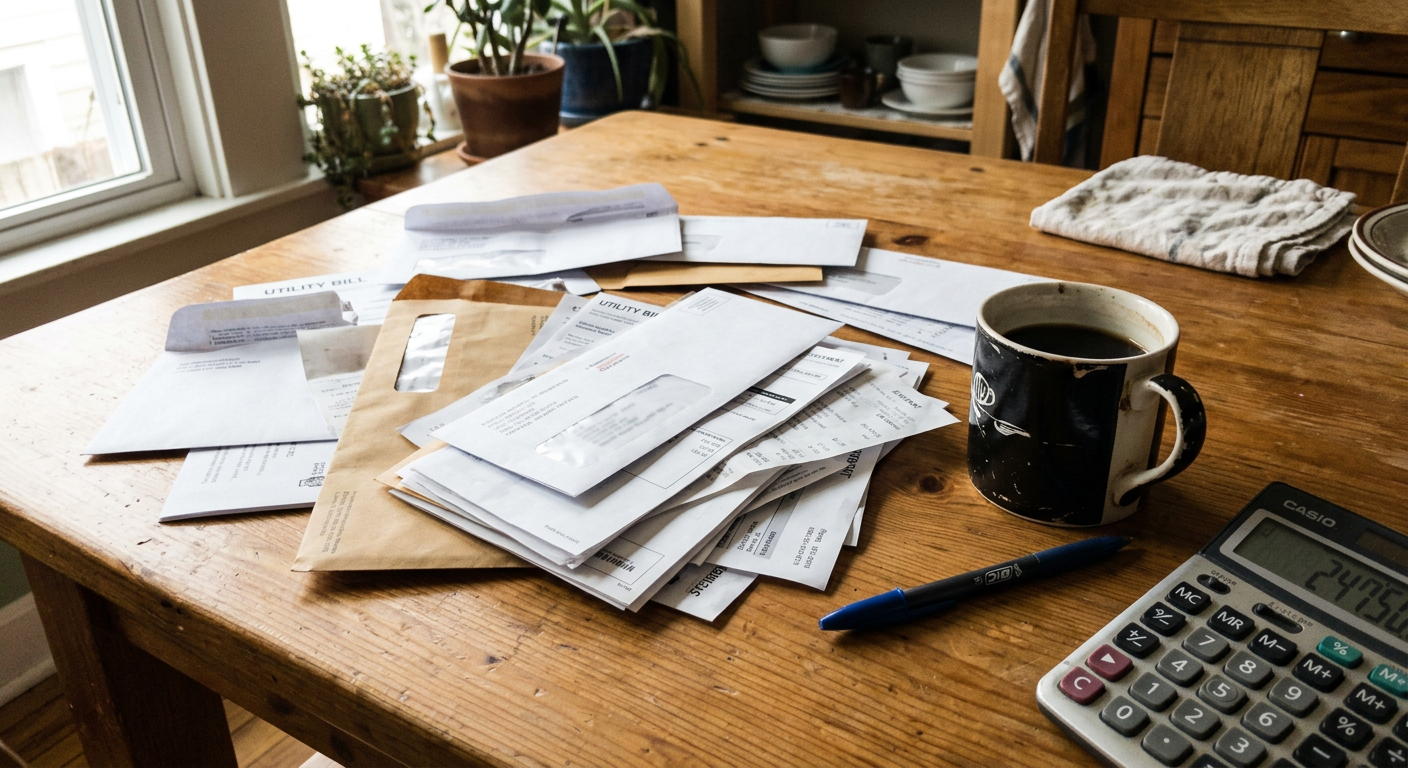
For much of the past few years, the household budget conversation was about inflation: how fast prices were rising, and whether paychecks could keep up. As the pace of price increases has eased, a quieter question has taken its place. Prices that rose are, for the most part, not coming back down.
That distinction matters. A slower rate of inflation means prices are rising more gradually, not that they are falling. For a household that cut back while waiting for relief, the practical task is different from what it was. It is less about weathering a spike and more about rebuilding a budget around a new baseline.
Start with the bills that do not move
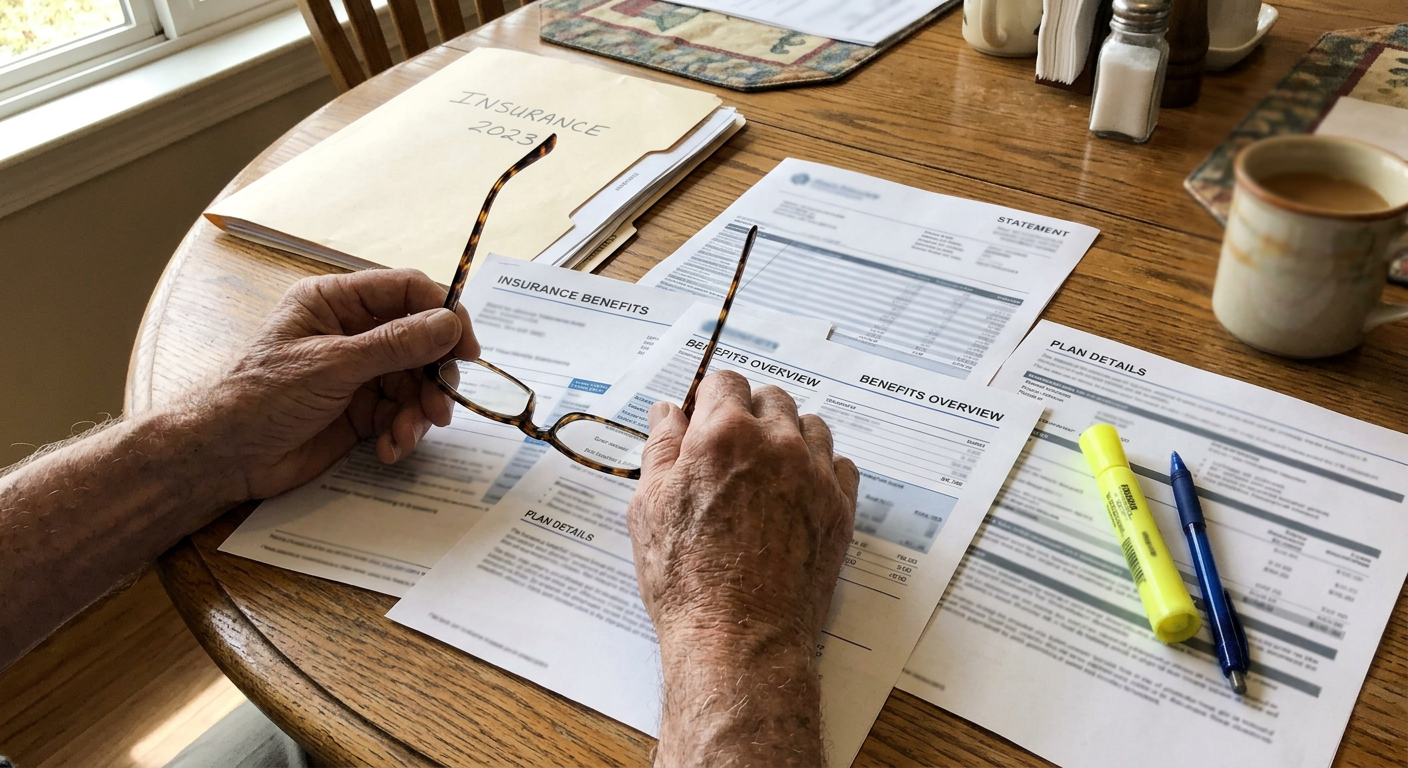
Most budgets have a core of fixed obligations: rent or a mortgage payment, insurance premiums, loan payments and subscriptions billed on a schedule. These are the easiest costs to measure and, often, the ones that have changed with the least notice. A premium that renewed at a higher rate, or a subscription that quietly raised its price, can shift a monthly total more than a change in grocery habits.
A useful first step is to list each fixed bill alongside its current amount and its renewal or review date. The date is the more important column. It shows when there is a natural opportunity to compare alternatives, request a review or cancel.
Separate fixed costs from variable ones
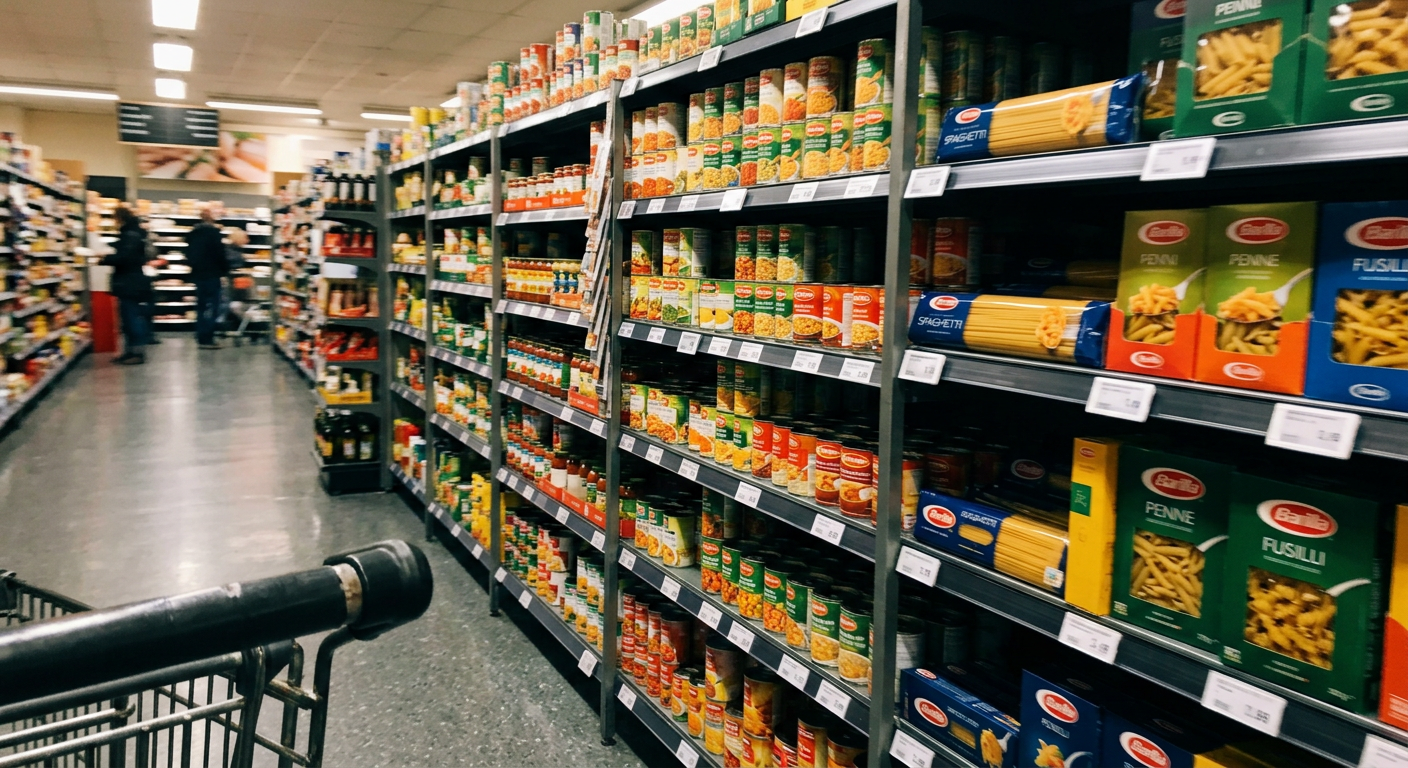
Variable costs such as food, fuel and household supplies are where prices are felt week to week. Tracking them for a full month, rather than estimating, tends to give a more honest picture. Receipts, bank statements and card transaction histories are usually enough; no specialized software is required.
A slower rate of inflation means prices are rising more gradually, not that they are falling.
Use public price data as context, not a forecast
The Bureau of Labor Statistics publishes the Consumer Price Index each month, with detail for categories such as food at home, shelter and energy. The index describes average price changes across many households, so it will not match any single family’s experience. It is most useful as context: a way to see whether a cost that feels unusually high is part of a broader trend or specific to one provider or product.
The U.S. Department of Agriculture also publishes monthly estimates of what it costs to follow food plans at several spending levels. Comparing a household’s grocery spending with those estimates can help frame a conversation about where the money goes, though the plans rest on assumptions that will not fit every household.
Rebuild the budget in layers
Rather than rewriting a budget all at once, it can help to work in layers:
- Essentials first: housing, utilities, insurance, food and the transportation needed for work.
- Obligations second: minimum debt payments and any amounts owed on a schedule.
- Buffers third: savings for irregular costs such as car repairs, medical bills and annual fees.
- Everything else last, adjusted to fit what remains.
The order is not a judgment about spending. It is a way of making sure the costs with the most serious consequences if missed are covered before discretionary choices are made.
Plan for the irregular
Annual and semiannual bills — vehicle registration, insurance paid in full, school fees, holiday costs — are frequent sources of budget strain because they are easy to forget. Dividing each one by the number of months until it is due, and setting that amount aside, turns an irregular expense into a predictable one.
When a budget still does not balance
For some households, careful tracking will show a gap that trimming cannot close. In that situation, the most useful next steps are usually conversations rather than calculations: asking a utility about payment-assistance programs, asking a lender about hardship options, or speaking with a nonprofit credit counselor. The Consumer Financial Protection Bureau maintains consumer guides on budgeting, debt and working with creditors that can be a starting point.
None of this makes higher prices lower. It does make them visible, which is the first condition for deciding what to do about them.